
WEBSITE ACCESSIBILITY • AUDIT + REMEDIATION
Website accessibility.
Built around people.
Help more people read your content, use your forms and do business with you. We find the barriers in your website, fix problems in the design and code, and check that the changes work. From a first accessibility audit to ongoing support, we help you choose a practical next step.

WEBSITE ACCESSIBILITY SERVICES
A first audit. Practical fixes.
Support for what comes next.
You may need an assessment, hands-on help with the repairs, or a team to support your site as it changes. We explain the options and costs before work begins, so you can choose the right level of help.
01
Website accessibility audits
Find out where visitors encounter barriers. Automated scans are combined with manual checks of keyboard navigation, screen-reader use, text contrast, forms and interactive features. You receive a prioritized report tied to the pages tested and the WCAG standard used.
02
Accessibility fixes & remediation
We correct problems in the site itself: image descriptions, form labels and errors, keyboard navigation, heading structure, color contrast and code that helps assistive technology interpret the page. We test the changes afterward, rather than treating a plugin installation as the finish line.
Ongoing monitoring & support
New content, software updates and added features can introduce new problems. Monitoring helps flag changes; scheduled manual reviews and maintenance help address issues a scan cannot catch. We can also guide your team on writing, images and page updates that support accessibility.
Reports & procurement documentation
Need to show a customer or purchasing team how your site performs? We can provide findings, a record of repairs and follow-up test results. If you need an Accessibility Conformance Report using a VPAT template, tell us early so the evaluation covers the required standard and features.
Accessibility for new websites
Include accessibility when planning a new website or redesign, rather than adding it at the end. We consider navigation, page structure, color, content and forms during design and development, then test key interactions before launch.
Technical help after a demand letter
If you have received a complaint or demand letter, speak with your attorney about the response and deadlines. We can help investigate the website issues, prioritize fixes and document the work for your team and counsel. We provide technical support, not legal representation.
WHY ACCESSIBILITY MATTERS
A website people can actually use.
01
Find the right information
Clear navigation, descriptive links and well-structured headings help visitors find a service, compare their options or understand what to do next—including people using screen readers.
02
Use the page their way
Some people navigate with a keyboard, magnify the screen or need stronger contrast. Your content and controls should remain readable and usable without relying on a mouse or a particular screen size.
03
Finish what they came to do
An inaccessible form, booking tool or checkout can stop someone from contacting you or becoming a customer. We look for barriers in these important tasks, not just a better scan score.
FROM AUDIT TO ACTION
Not just a report.
A path to a more usable site.
A useful audit explains the problem in terms your team can act on. For example, a form field without a clear label can leave a screen-reader user unsure what to enter; an error message that is not announced can leave them unable to finish. The report connects each barrier to a specific fix.
WHAT YOU RECEIVE
Know what needs fixing—and why.
01
A clear list of problems
Where each issue occurs, who it affects and how it gets in the way. Screenshots and examples help your team understand the problem.
02
Priorities and recommended fixes
Which barriers to tackle first, what needs to change and whether the work belongs in your content, website code or a third-party tool.
03
A record of the improvements
What we checked again after the fixes, which issues are resolved and what still needs attention. You can see the progress rather than rely on a score alone.
Our website team can carry out the improvements, or work alongside your developers. If a booking tool, payment service or other outside provider controls the problem, we explain what can be changed and what needs that provider’s help.
HOW WE WORK WITH YOU
Find the barriers.
Fix them. Check again.
01
Start with your website
We review your website, the tasks visitors need to complete and any deadlines or requirements. You get a clear proposal covering the pages to test, the work, the price and the schedule.
02
Test real interactions
We use automated checks alongside keyboard, screen-reader and visual testing. Forms, menus and other important interactions get attention that a scan alone cannot provide.
03
Make the improvements
We prioritize barriers that prevent people from using the site, then work through the remaining fixes. Your team knows what is changing and where we need your input.
04
Check the fixes
We test the changed pages and interactions again, explain any remaining limitations and show your team how to avoid common problems when updating the website.
WHEN TO GET HELP
A practical next step for your business.
Accessibility matters wherever people rely on a website: healthcare, professional services, education, retail, hospitality and public services. It is especially worth reviewing when your site or your requirements change.
Visitors need to take action online.
Your site has forms, appointment booking, a shopping cart, account access or other tools people must be able to use.
You’re preparing a redesign or a purchase review.
Bring accessibility into the project early, or prepare the documentation a customer or procurement team has requested.
Someone has reported a problem.
A visitor complaint, test result or legal notice is a reason to investigate specific barriers and decide what needs attention.
WHY MASSMONOPOLY
The team that finds the problem can help fix it.
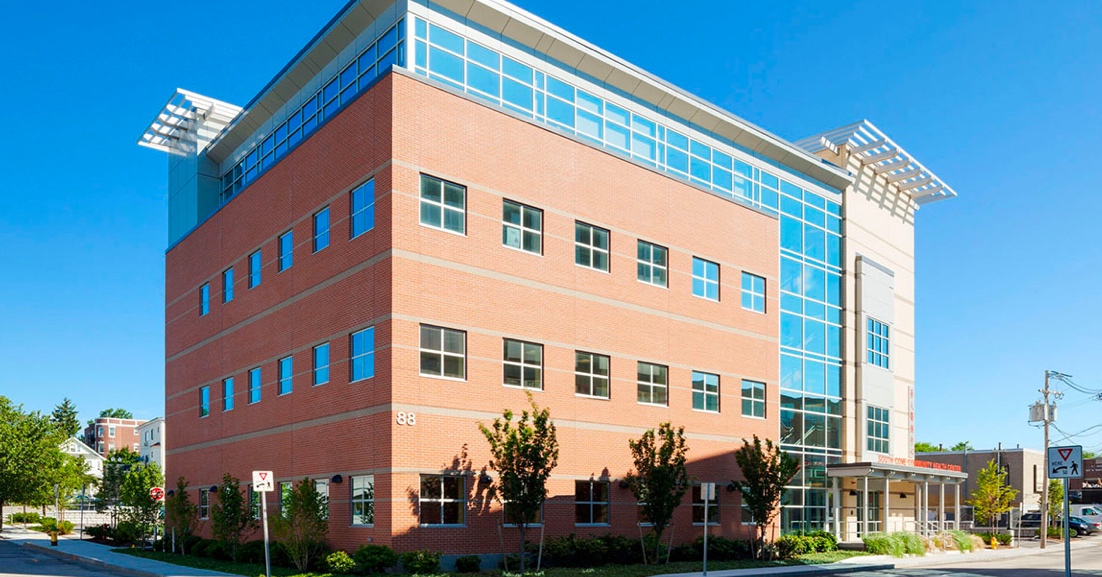
We’ve been building websites since 2001. Design, development, content and search work together here, so accessibility improvements can be made with the rest of your website in mind. Our long-term partnership with Lynn Community Health Center is one example of our work on clear service information, provider search and a website people depend on.
Common questions about website accessibility.
The Americans with Disabilities Act protects access for people with disabilities. The U.S. Department of Justice explains that covered businesses and state and local governments must address web accessibility. The requirements that apply to a particular organization depend on its circumstances. Your attorney can advise on legal obligations; we help with the website testing and improvements. Read the Department of Justice guidance.
WCAG stands for Web Content Accessibility Guidelines: technical criteria for making digital content more accessible. The levels are A, AA and AAA. Level AA is a common target; WCAG 2.2 builds on earlier versions, while a contract, procurement requirement or regulation may specify WCAG 2.1 or another version. We identify the relevant target with you before testing and state it in the report.
The proposal identifies the pages, page templates and interactions we will test. Checks can include headings, links, image descriptions, contrast, zoom, keyboard operation, screen-reader use, menus, forms and error messages. A site with many similar pages may use representative examples; a full-site review can be planned where needed. You will know which approach you are buying.
No. A scan can flag some missing labels, contrast problems and code issues, but it cannot decide whether every interaction works or every instruction makes sense. Manual testing is needed to understand how people use the page. We combine the two approaches. W3C explains what evaluation tools can and cannot do.
An overlay may offer controls such as text-size or contrast adjustments, but it does not remove every barrier in the underlying content and code. We can help assess whether such a tool has a useful supporting role, including as a lower-cost interim option, while being clear about the problems that still need direct fixes. A widget is not a substitute for testing.
Contact your attorney promptly and follow their advice on responding and preserving records. We can review the reported technical issues, assess the relevant pages, recommend repairs and document the work. Tell us about the deadline when you contact us so we can discuss availability and priorities. An audit or remediation project does not guarantee a legal outcome.
The cost depends on the number of pages and templates, the platform, the complexity of forms or other features, the existing barriers and how much repair work you need. An assessment and a full remediation project are different amounts of work. We explain the recommended approach and quote the work before you commit; ongoing support and specialist documentation are identified separately.
A small site with straightforward fixes is a different project from a large site with custom booking, ecommerce or third-party tools. We review the site and your deadline, then give you a schedule. If there is more work than can sensibly be done at once, we can discuss addressing the most important barriers first.
Good contrast, clear headings, usable navigation and helpful form instructions can improve the experience without losing your brand. Sometimes a color, control or interaction does need to change; we explain why and work through the design with you. Accessibility and SEO share some good practices, but accessibility work is not a guarantee of higher rankings or more conversions.
Yes. We can assess an existing website, make repairs ourselves or provide recommendations for your development team. We identify which changes are under your control and which depend on a platform or outside provider, such as a booking or payment tool. A full redesign is not automatically necessary.
A VPAT is a template used to produce an Accessibility Conformance Report, not an accessibility certificate. If a customer or procurement team requests one, send us the requirement so we can plan the appropriate evaluation and documentation. Other deliverables can include an audit report, a repair log and the results of follow-up testing.
Keep accessibility in the way your team publishes and updates the site: add useful image descriptions, use headings in order, check links and forms, and review new components. We can train your team and arrange monitoring, manual checks and maintenance appropriate to how often your website changes.
A MORE USABLE WEBSITE STARTS HERE
Make the next step
accessible.
Make it easier for people to find information, complete a form and get in touch. Tell us about your website and we’ll help you decide what to tackle first.
START A CONVERSATION
Let’s discuss your website
Share your website address and what you need help with.